Keeping Your Bottom Line and Your Car Healthy

Keeping Your Bottom Line and Your Car Healthy

Prices are up on everything these days.  I am often asked how to save on car repair.  My answer is always the same…don’t put off routine maintenance.  Maintenance is the first step to a healthy car.  Putting it off leads to an eventual breakdown which is always more expensive.

Oils And Fluids

It is vital to the operation of your car to use the correct oils and fluids. There are many oils and fluids in your car, including engine oil, transmission, power steering, differential, brake fluid, radiator fluid and even the air conditioning has a fluid called Freon.

Beginning in 2010 all new car fluids improved and now have very specific weights, viscosities and additive packages to ensure the components are lubricated properly and won’t fail prematurely. This has greatly increased the life of vehicles as long as the fluids are changed on schedule. Always follow the manufacturer’s recommendation for the type of oil and/or fluids for your specific vehicle. You will be happier, and your car will be happier, as well. If you mix fluids or flat out use the incorrect one, it will be devastating.

Using the correct fluids, you’ll reduce the risk of breakdown repairs, keeping the car safe and reliable. We are always telling our customers and our readers that breakdowns are much costlier than recommended maintenance, and fluids are the easiest and least expensive of any maintenance.  Keep those fluids and the oil changed on time and all will be good.

On A Side Note

Never ignore your dashboard repair icons!  They are there for a reason.  I have actually seen dashboard icons with a piece of tape on top of them, so it doesn’t annoy the driver!  Seriously?  When you put off getting a vehicle checked out, it usually costs more as one ignored repair can often lead to another needed repair.  This can make your car dangerous to drive.

I hope this helps drivers everywhere to keep their ride healthy and their wallets, too!

The Cost Of Owning A Car In 2024

Cost Of Owning A Car In 2024

The cost of owning a car has certainly risen.  In 2024, the cost including maintenance, was an average of $6,684. If a new car was purchased, the total average cost was $12,297. Maintaining the vehicle averaged 10 cents per mile.

New vehicle costs are at an all-time high and of course, supply chain issues on automotive parts keep driving costs up. These are all things to consider if you are contemplating buying a new vehicle.

The most important thing you can do for any vehicle, new or used, is keep it maintained. This always adds value to a car plus, as we always point out, maintaining is less expensive than repairing.

Here is a list of maintenance items per mileage to keep your vehicle healthy:

Oil Change (every 5,000 – 7,000 miles)

Tire Rotation (every 5,000 – 8,000 miles)

Brake Pad Replacement (every 30,000 miles)

Here is a list of replacement items:

New Tires (every 6 years)

Air Filters (every 20,000 miles)

Wiper Blades (every 6 – 12 months)

Check your vehicle’s owner manual for a list of maintenance items and replacement parts to keep it going strong…and safely…for years to come. Hopefully, prices will go down in 2025, but we won’t really know that until this time in 2026.

Sell Or Keep Your Car?

Sell Or Keep Your Car?

Deciding when to replace your car can be a tough choice. It’s not just about mileage or age; other factors, like repair costs, safety features, and lifestyle changes, also play a role. Here are the main signs and considerations to help you decide when it’s time for a new vehicle.

1. Frequent and Costly Repairs

If your car is spending more time in the shop than on the road, it might be time for a replacement. A good rule of thumb is to consider a new car if annual repair costs exceed half the vehicle’s current value. Major expenses, like engine or transmission repairs, are strong indicators that it’s time to move on.

2. Safety Concerns

Older cars may lack modern safety features such as airbags, anti-lock brakes, electronic stability control, and advanced driver-assistance systems. If your vehicle’s safety features are outdated or it has recurring issues with crucial systems (like brakes or steering), upgrading to a newer, safer model is a wise choice.

3. Poor Fuel Efficiency

As cars age, fuel efficiency tends to decrease due to engine wear and outdated technology. If you’re spending more on gas than you would like, upgrading to a more fuel-efficient vehicle or even a hybrid or electric model can save money in the long run.

4. Lifestyle Changes

Life changes, such as a growing family, a longer commute, or a new job requiring more travel, might mean your current car no longer fits your needs. If space, comfort, or reliability are becoming an issue, it may be time for an upgrade.

5. High Mileage and Age

Although modern vehicles are built to last longer, high mileage (over 150,000 miles) typically leads to more maintenance issues. If your car is over 10-15 years old and repair frequency is increasing, it might be time to replace it.

6. Depreciation and Resale Value

Cars depreciate rapidly, especially in the first few years. If your vehicle’s value is dropping faster than you anticipated, selling or trading it in before it loses more value can be a smart financial move.

7. Emotional Attachment vs. Practicality

While sentimental value is understandable, it’s important to weigh emotional attachment against practical considerations like safety, reliability, and cost. If repairs are becoming a burden, it might be time to let go.

8. Environmental Considerations

Newer vehicles are generally more environmentally friendly, with better emissions standards and fuel efficiency. Switching to a hybrid or electric car can reduce your carbon footprint.

When Not to Replace Your Car

– If repair costs are minimal and infrequent.

– If safety features are up-to-date and the car is reliable.

– If you’re not ready for a new financial commitment, such as car payments or higher insurance costs.

Final Thoughts

Replacing your car is a significant decision that depends on your financial situation, safety needs, lifestyle, and personal preferences. Weighing the costs and benefits carefully will help you make the best choice for your needs.  We would be happy to discuss if it’s time to sell or keep.

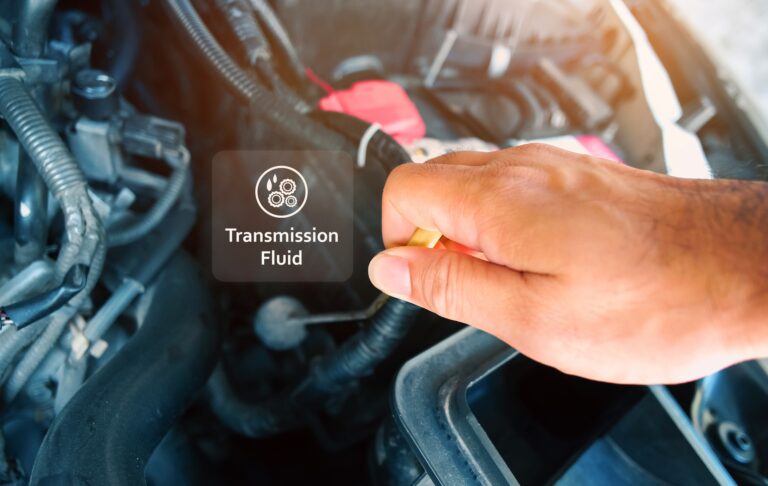
How Often Should Transmission Fluid Be Changed?

The frequency of transmission fluid changes can vary depending on factors such as your vehicle’s make and model, driving habits, and manufacturer recommendations. However, as a general guideline, it’s typically recommended that you change your transmission fluid every 30,000 to 60,000 miles.

Regular transmission fluid changes help maintain proper lubrication and cooling of the transmission components, as well as prevent the buildup of debris and contaminants that can affect performance and longevity.

If you notice any signs of transmission problems such as rough shifting, slipping gears, or fluid leaks, it’s advisable to have your transmission fluid checked and possibly changed sooner, as these issues may indicate a need for maintenance or repairs.

Always refer to your vehicle owner’s manual for the manufacturer’s specific recommendations on transmission fluid change intervals, as they can vary depending on the vehicle’s specifications. If you’re unsure or have any questions, consulting with a qualified mechanic or automotive service technician can provide personalized guidance based on your vehicle’s needs and usage.

Maintaining Your Vehicle Is Essential

Maintaining Your Vehicle Is Essential

Maintaining your car is essential for several reasons, including safety, reliability, performance, and financial considerations. Here are some key reasons why maintaining your car is important:

  1. Safety: Regular maintenance helps ensure that your vehicle operates safely on the road. Components such as brakes, tires, steering, and suspension need to be in good condition to provide optimal control and handling. Neglecting maintenance can lead to mechanical failures or compromised safety systems, increasing the risk of accidents.
  2. Reliability: Proper maintenance reduces the likelihood of unexpected breakdowns and mechanical failures. Addressing potential issues early through routine inspections and services can prevent more significant problems that could leave you stranded on the side of the road.
  3. Performance: Well-maintained vehicles typically perform better and more efficiently. Components such as the engine, transmission, and fuel system operate more smoothly when they are properly maintained, resulting in better fuel economy, acceleration, and overall performance.
  4. Longevity: Regular maintenance helps prolong the lifespan of your vehicle. By replacing worn-out parts, changing fluids, and addressing minor issues promptly, you can prevent more extensive damage and extend the life of your car.
  5. Resale Value: A well-maintained car retains its resale value better than one that has been neglected. Potential buyers are more likely to pay a higher price for a vehicle that has a documented history of regular maintenance and service records.
  6. Cost Savings: While it may seem counterintuitive, maintaining your car can save you money in the long run. Preventative maintenance is generally less expensive than repairing major mechanical problems caused by neglect. Additionally, a well-maintained vehicle tends to be more fuel-efficient, reducing fuel costs over time.
  7. Environmental Impact: Properly maintained vehicles tend to produce fewer emissions and consume less fuel, reducing their environmental impact. Regular maintenance helps ensure that your car operates efficiently and complies with emissions standards.

Overall, maintaining your car is crucial for safety, reliability, performance, and financial reasons. By investing time and resources in routine maintenance, you can keep your vehicle running smoothly, prolong its lifespan, and minimize the risk of unexpected breakdowns or costly repairs.

Let’s face it, a car is a poor investment because as soon as you drive off the lot the value decreases. We need transportation, however. In the past we were told to trade in a car every 100,000 miles. Cars today are built better and last longer. We can now drive a car at least 200,000 miles with proper service.

Remember 60 years old is the new 40 and 200,000 miles is the new 100,000 miles, and with the average payment of $735.00 a month, get the car paid off and drive.

“Always Glad to Help”
Hometown Service You Can Count On!   

Why Auto Repair Shops Charge a Testing/Diagnostic Fee

Why Auto Repair Shops Charge a Testing/Diagnostic Fee

Automotive diagnostic charges typically cover the cost of the technician’s time and expertise in diagnosing issues with your vehicle. These charges reflect the resources, equipment, and training required to accurately identify problems and determine the appropriate repairs or maintenance needed.

Here are a few reasons why you might be charged for automotive diagnostics:

Labor and Expertise: Skilled technicians spend time inspecting your vehicle, using specialized tools and equipment to diagnose issues accurately.

Equipment Costs: Diagnostic tools and equipment used to scan vehicle systems and retrieve error codes incur costs for purchase, maintenance, and updates.

Training and Certification: Technicians undergo extensive training and certification to effectively diagnose complex vehicle systems, which contributes to the overall cost of diagnostics.

Investigation and Testing: Diagnosing automotive issues often requires thorough investigation and testing, which may involve multiple steps to pinpoint the root cause of problems.

Facility Overheads: Automotive repair facilities have overhead costs such as rent, utilities, insurance, and administrative expenses, which are factored into diagnostic charges.

Accuracy and Precision: Proper diagnostics help prevent unnecessary repairs by identifying the specific issues affecting your vehicle, ultimately saving you time and money in the long run.

Keep in mind that diagnostic charges may vary depending on the complexity of the issue, the type of vehicle, and local market rates. It’s important to discuss diagnostic fees with your automotive service provider beforehand to ensure transparency and understanding of the costs involved.

Holiday Travel

Holiday Travel

Ah…the holidays.  Tis the season to spend with family and friends. Many people prefer getting to these family festivities in their vehicles because they don’t want to worry about airport hassles and canceled flights.  No one wants to spend the holidays stranded at the airport!

Of course, no one wants to get stranded on the side of the road either, due to a malfunctioning vehicle.  An inspection to determine if your vehicle is roadworthy only takes a few minutes of your time.

When you bring your vehicle to Certified Automotive for an inspection, we will:

  • Check the tires including tire pressure and tread
  • Check all fluids
  • Check hoses and belts
  • Check wiper blades and windshield washer fluid
  • Check brakes
  • Check exhaust system
  • Check the battery

The inspection will show if you are good to go, or if you need to take care of a few items before you leave.  Safe travels and Happy Holidays!

Keeping Your Older Car Saves You Money!

Keeping Your Older Car Saves You Money!

Prices seem to be out of control these days and new car prices are no exception.  I was shocked to read that a few decades ago you could buy a skyrocket for the price of today’s new cars. Is that where the expression, “prices are skyrocketing” came from? Hmmm…  It just makes financial sense to keep your current car running well and your bank balance healthier.  How do you do that? Here is a list of ways to keep your car for years to come.

  • Pay attention to the warning lights! They really are trying to tell you something.
  • Follow the manufacturer’s preventive maintenance schedules.
  • Keep the oil changed regularly.
  • Wash and wax to keep the outside looking good.
  • Clean the inside frequently.
  • Make sure your tires are properly inflated, rotated in a timely manner, and have good tread.
  • Vehicle alignment is important…especially if you frequently hit potholes.
  • Fluids are the life blood of your vehicle. Have them checked and changed regularly. If you notice leaks on your garage floor or on the pavement where you park your car, get it checked out.  
  • To keep your emergency brake healthy…use it! 

We are here to help keep your vehicle healthy for miles to come!