Gene’s Car Tips

The Most Unexpected Vehicle Repairs

The Most Unexpected Vehicle Repairs

Sometimes, no matter how hard you try to keep your car well maintained, an unexpected repair still happens.  Here are the most common:

– Flat or blown tire

Transmission issue

– Hail damage

– Collision or fender bender

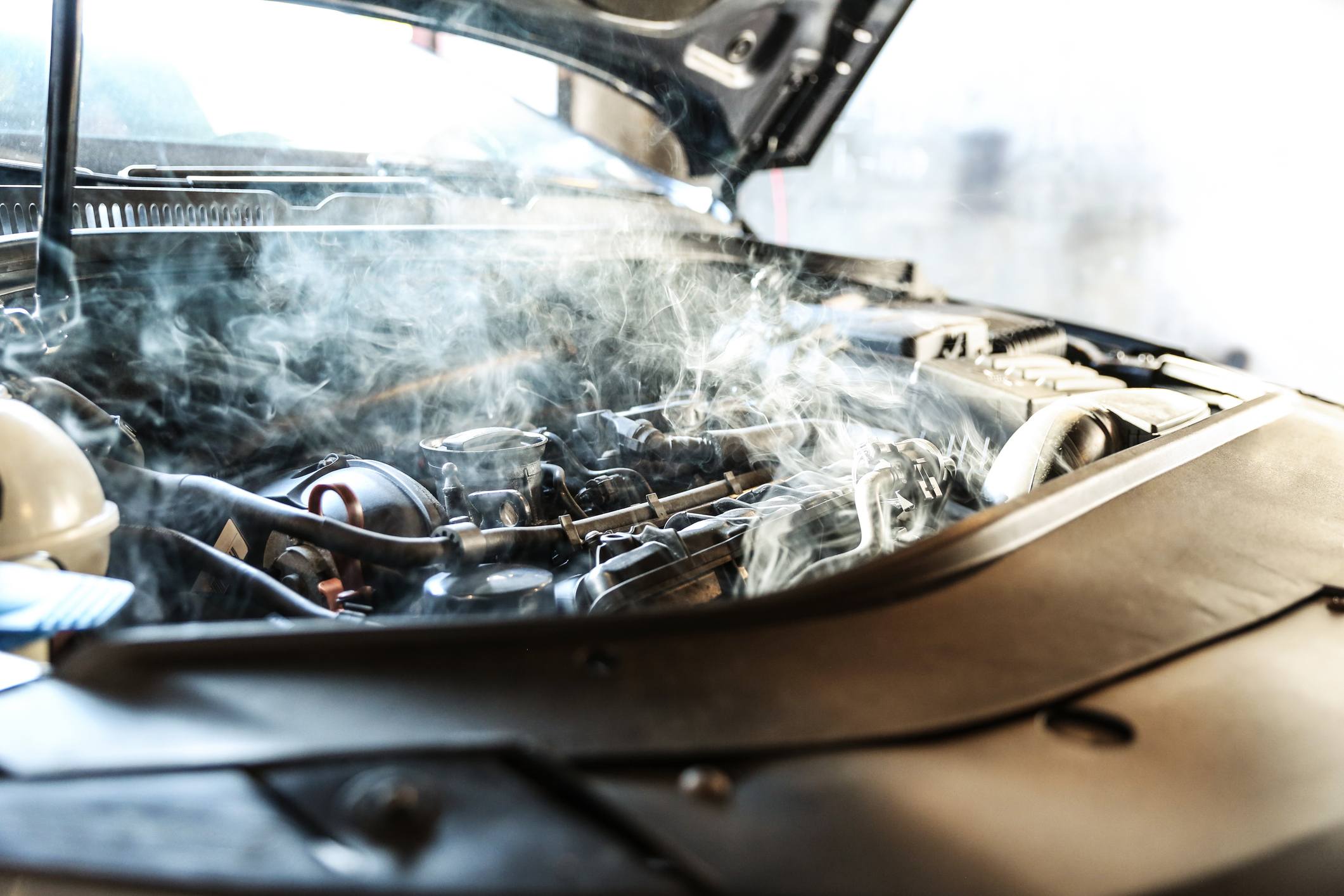
– Overheated engine

– Dead battery

– Failed starter motor

Keep in mind if you are on a budget, that the luxury models will always be more expensive than a standard vehicle to fix when these unexpected repairs are needed. Even a domestic luxury vehicle costs less to repair than a foreign luxury vehicle.

Cost of ownership per mile on average:

Small sedan – 59.24 cents

Medium sedan – 70.38 cents

Subcompact SUV – 67.51 cents

Compact SUV – 71.04 cents

Medium SUV – 83.84 cents

Midsize pickup – 82.44 cents

Half-ton pickup – $1.10 cents

Hybrid – 66 cents

Electric – 84.69 cents

Vehicles always cost more than a monthly payment.  The cost of fuel, insurance, licenses, taxes, routine maintenance, repairs and tires need to be taken into consideration when you decide which car meets your needs and your budget.  Also keep in mind that they depreciate rapidly.

The Cost Of Owning A Car In 2024

Cost Of Owning A Car In 2024

The cost of owning a car has certainly risen.  In 2024, the cost including maintenance, was an average of $6,684. If a new car was purchased, the total average cost was $12,297. Maintaining the vehicle averaged 10 cents per mile.

New vehicle costs are at an all-time high and of course, supply chain issues on automotive parts keep driving costs up. These are all things to consider if you are contemplating buying a new vehicle.

The most important thing you can do for any vehicle, new or used, is keep it maintained. This always adds value to a car plus, as we always point out, maintaining is less expensive than repairing.

Here is a list of maintenance items per mileage to keep your vehicle healthy:

Oil Change (every 5,000 – 7,000 miles)

Tire Rotation (every 5,000 – 8,000 miles)

Brake Pad Replacement (every 30,000 miles)

Here is a list of replacement items:

New Tires (every 6 years)

Air Filters (every 20,000 miles)

Wiper Blades (every 6 – 12 months)

Check your vehicle’s owner manual for a list of maintenance items and replacement parts to keep it going strong…and safely…for years to come. Hopefully, prices will go down in 2025, but we won’t really know that until this time in 2026.

Sell Or Keep Your Car?

Sell Or Keep Your Car?

Deciding when to replace your car can be a tough choice. It’s not just about mileage or age; other factors, like repair costs, safety features, and lifestyle changes, also play a role. Here are the main signs and considerations to help you decide when it’s time for a new vehicle.

1. Frequent and Costly Repairs

If your car is spending more time in the shop than on the road, it might be time for a replacement. A good rule of thumb is to consider a new car if annual repair costs exceed half the vehicle’s current value. Major expenses, like engine or transmission repairs, are strong indicators that it’s time to move on.

2. Safety Concerns

Older cars may lack modern safety features such as airbags, anti-lock brakes, electronic stability control, and advanced driver-assistance systems. If your vehicle’s safety features are outdated or it has recurring issues with crucial systems (like brakes or steering), upgrading to a newer, safer model is a wise choice.

3. Poor Fuel Efficiency

As cars age, fuel efficiency tends to decrease due to engine wear and outdated technology. If you’re spending more on gas than you would like, upgrading to a more fuel-efficient vehicle or even a hybrid or electric model can save money in the long run.

4. Lifestyle Changes

Life changes, such as a growing family, a longer commute, or a new job requiring more travel, might mean your current car no longer fits your needs. If space, comfort, or reliability are becoming an issue, it may be time for an upgrade.

5. High Mileage and Age

Although modern vehicles are built to last longer, high mileage (over 150,000 miles) typically leads to more maintenance issues. If your car is over 10-15 years old and repair frequency is increasing, it might be time to replace it.

6. Depreciation and Resale Value

Cars depreciate rapidly, especially in the first few years. If your vehicle’s value is dropping faster than you anticipated, selling or trading it in before it loses more value can be a smart financial move.

7. Emotional Attachment vs. Practicality

While sentimental value is understandable, it’s important to weigh emotional attachment against practical considerations like safety, reliability, and cost. If repairs are becoming a burden, it might be time to let go.

8. Environmental Considerations

Newer vehicles are generally more environmentally friendly, with better emissions standards and fuel efficiency. Switching to a hybrid or electric car can reduce your carbon footprint.

When Not to Replace Your Car

– If repair costs are minimal and infrequent.

– If safety features are up-to-date and the car is reliable.

– If you’re not ready for a new financial commitment, such as car payments or higher insurance costs.

Final Thoughts

Replacing your car is a significant decision that depends on your financial situation, safety needs, lifestyle, and personal preferences. Weighing the costs and benefits carefully will help you make the best choice for your needs.  We would be happy to discuss if it’s time to sell or keep.

Hydraulic Engine Mounts

Hydraulic Engine Mounts

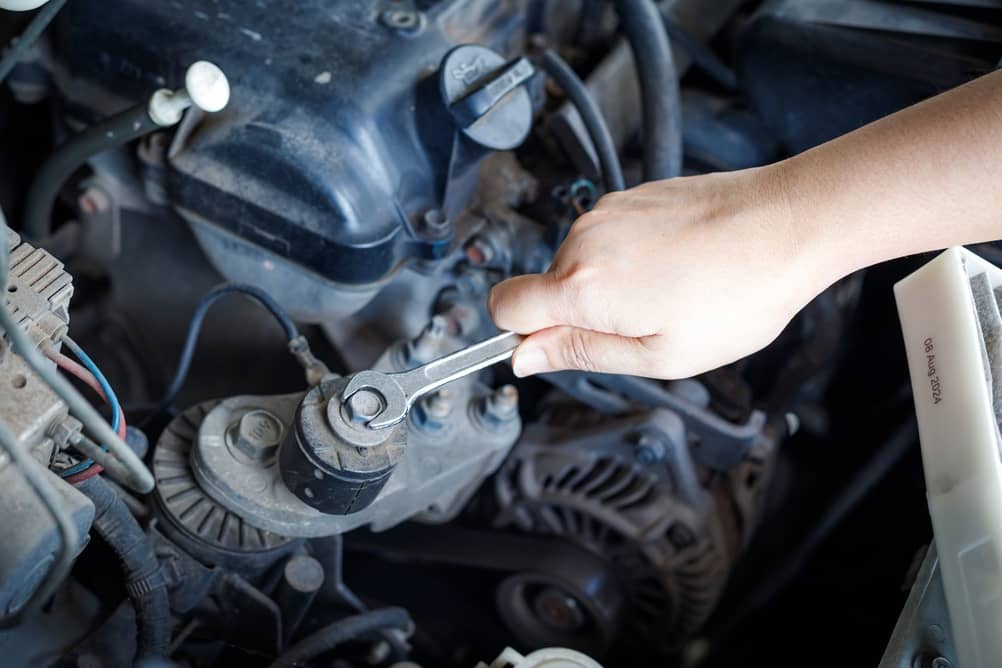
Don’t be surprised when you hear that your motor engine or transmission mount has an oil leak. Yep, the old rubber mounts have grown up to be liquid filled. They call it progress, and it is a better way to dampen vibration.

Hydraulic engine mounts are advanced components that use fluid-filled chambers to reduce vibrations and noise in vehicles. Unlike traditional rubber mounts, they use hydraulic fluid to absorb engine vibrations, providing better noise, vibration, and harshness (NVH) control, making your ride more comfortable.

How They Work:

The mount consists of a steel casing, rubber elements, and a hydraulic fluid chamber. As the engine moves, the fluid absorbs vibrations, while the rubber helps absorb shocks, offering a smoother performance.

Benefits:

  • Improved Comfort: Reduces engine vibrations and cabin noise, especially in luxury and high-performance vehicles.
  • Increased Durability: Lasts longer due to its resistance to stress.
  • Adjustable: Some hydraulic mounts can adapt to driving conditions for optimal ride quality.
  • Stability: Minimizes engine movement, improves handling and prevents damage to other parts.

Challenges:

They tend to be more expensive, heavier, and can suffer from fluid leaks or degradation over time.

Overall, hydraulic engine mounts are ideal for enhancing comfort and performance in a variety of vehicles, though they come at a higher cost compared to traditional mounts.

Free Check Engine Light Diagnoses? Trouble Codes Defined

Check Engine Light

A trouble code is an alphanumeric value that corresponds to a particular type of fault. Such as a PO300. The list was originally created by the Society of Automotive Engineers (SAE) for use by all vehicle manufacturers who must comply with on board diagnostic (OBD II) emissions regulations in the U.S.

The list of trouble codes is subdivided into four basic categories:

Powertrain (“P”) codes (engine, some transmission and most emissions systems)

Body (“B”) codes (Climate control system, lighting, airbags, etc.)

Chassis (“C”) codes (antilock brake system, electronic suspension and steering systems)

Network Communications (U”) codes (controller area network wiring bus and modules) Self braking, lane change and other more sophisticated systems.

Most handheld code readers only read “P” codes which is limiting. This means, of course, that there could be other system failures that only a factory type scanner can read.

Many believe a plug code reader, like at some parts stores, retrieves the code, for example a PO301(misfire on cylinder #1) and replace parts. The cause might be a spark plug, a wire, a fuel injector, an air leak or even a rat chewed a wire harness (more common that you think). What parts would you replace?

Yes, it’s tempting to replace the parts yourself and if you have the know-how, go for it. I always recommend you let a professional do the testing and repairs in order to save replacing unnecessary parts.

Keep in mind that the last item in the new systems have resets when some parts are replaced. A code reader will not reset these systems.

Enjoy your car and remember, few things in this world are free.


Why Headlights Are Expensive

Why Are Headlights So Expensive?

The cost of headlight assemblies can range from as low as $30 to over $4,000. Many of our customers are asking why.

  1. Advanced Technology:

Today’s headlights use LEDs and HIDs and other systems.  On the plus side, they are capable of adjusting brightness and direction, but on the downside, they cost more than the halogen bulbs of the past.

  • Integrated Components:

You can purchase headlights today that include daytime running lights, turn signals, and sensors that automatically adjust and that makes them more complex and costly.

  • Design and Materials:

Today’s high-quality lenses, housings, and waterproofing make the headlights more durable and aesthetically pleasing, but also raises the price tag.

  • Vehicle-Specific Designs:

Headlights are often custom designed for specific makes and models, limiting compatibility and driving up manufacturing costs.

  • Labor Costs:

Installation can be costly, as it oftentimes involves removing body panels or complex wiring.

Changing the headlight bulb, depending on the make and model and installation difficulty, can take between 5 minutes to 1 hour, or more. Some dealerships will charge $475 to change the headlamp on certain makes and models because the bumper has to be dropped to do so.

To minimize the replacement costs of car headlight bulbs, car owners can follow a few helpful tips. Regular maintenance and cleaning of headlights can prolong their lifespan and minimize the need for replacement. Choosing a more cost-effective alternative, such as aftermarket headlights, can also save money and it won’t compromise quality.

Please let us know if you have any questions.

Inflation Can Be Helpful…On Tires!

Inflation Can Be Helpful…On Tires!

Here are a few things to keep in mind when it comes to the health of your vehicle’s tires.

  1. Most tires don’t make it to 50,000 miles. Remember, tires don’t last forever. Tires that are not properly installed age very fast.
  2. Tires need good tread to have traction, so you can stop without sliding.
  3. Tires need to be properly inflated.  Check the number listed on the inside of your car door (not the tire).
  4. Have your tires rotated every 5,000 – 6,000 miles. 

What causes tires to wear out?  Tires wear unevenly even when they are properly aligned. Irregularities in the road and of the car can lessen tread and tire life. 

Can a tire’s life be increased? Certainly.  By having your tires rotated and balanced regularly you can increase a tire’s life expectancy by nearly 50%.

Why does a car need alignment? Even if your tires’ tread looks normal, rough roads and repeated encounters with curbs will make your vehicle’s tires suffer.  Having your car put on an alignment rack once a year will keep the tires healthy.  Incorrect alignment makes tires follow their own paths and causes scrubbing action against the road surface.  In addition to excessive wear, this friction causes the steering wheel to fight the driver, requiring additional efforts to keep the vehicle on the road.  A wheel alignment service should include careful examination of steering and suspension components.  Even the best equipment and technicians cannot align a vehicle with worn or damaged parts.

What is the big deal about proper inflation of tires?  Under-inflated tires cause your tires to wear along the sides, while over-inflated tires cause your tires to wear down the middle of the tread.  Radial tires always look a little soft, but don’t be fooled and assume inflation is correct.  Buy a tire gauge and use it monthly to keep your tires properly inflated.  It saves your tires and saves on fuel too!

What else should you keep in mind? Don’t overload your vehicle as this excessive weight rests right on your tires.

What should you look out for? Potholes and uneven pavement!

What is the best thing you can do for your tires? Always make sure tires are “cool” when checking for proper inflation as “hot tires” have a higher reading than “cool tires.” Take your vehicle to a certified service repair facility quarterly so they can make sure you are driving on the safest and most comfortable tires possible.  They have the proper equipment to test your tires. You and your passengers depend on your vehicle’s tires.

Announcement from AAA

Announcement from AAA

A recent research project was conducted by AAA on AEB (Automatic Emergency Braking) systems and here is how they arrived at their findings.

They wanted to see how the reverse braking system reacted if a driver was backing out of their driveway/parking lot and didn’t have a clear vision due to other cars blocking their sight and a car they couldn’t see was oncoming.  The vehicle automatically applied the brakes 65% of the time and prevented a collision 2.5% of the time. 

They also wanted to see how well the AEB system did if a small child was behind the car while the driver was backing up without clear vision. The brakes were applied 75% of the time and collision was prevented 50% of the time.

The bottom line is…DO NOT rely solely on these Automatic Emergency Braking Systems.  Always make sure you can see clearly before backing up.  These systems need to be more reliable…100% of the time…in order for us to trust them when backing up.

The good news is that they have been able to reduce a good portion of rear-end collisions but until they can do it 100% of the time, please don’t take chances on hurting others or yourself!