
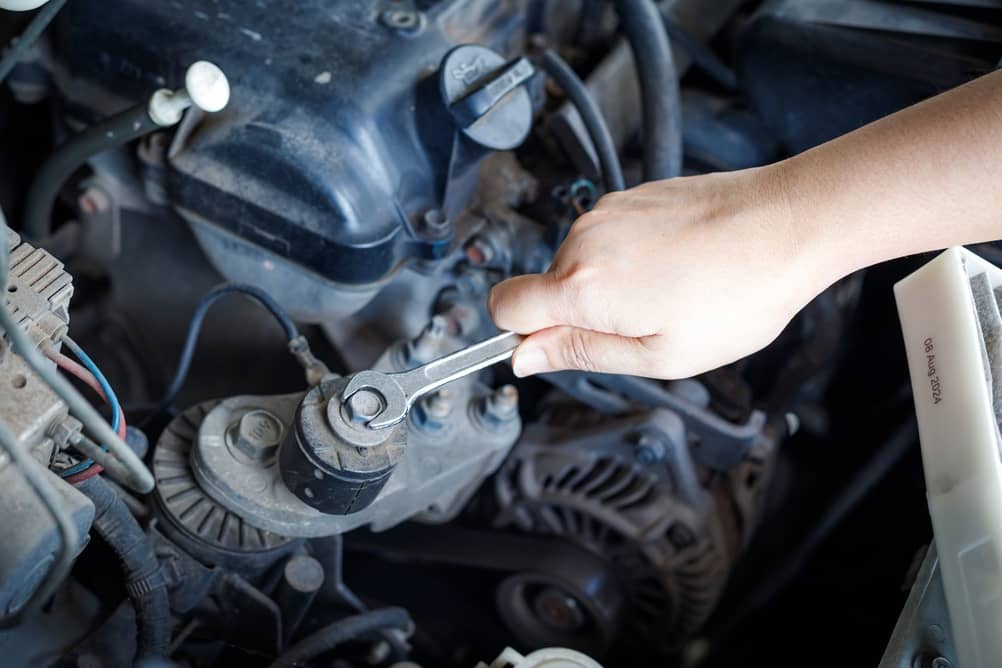
Caution: Be Careful With DIY Auto Repairs—Here Are Some Potential Pitfalls
DIY auto repairs can seem like a practical way to save money, especially when a job appears simple. However, modern vehicles combine mechanical systems with electronics, computers, pressurized fluids, and components that often require specific tools and procedures. Without the right equipment, training, or repair information, a small project can become more expensive—or more dangerous—than expected.
Before attempting a repair at home, consider these potential pitfalls:
• Personal injury from an improperly supported vehicle, hot components, batteries, or pressurized systems
• Misdiagnosing the problem and replacing parts that were not actually faulty
• Needing specialized scanners, software, or tools to complete the job correctly
• Losing the protection that comes with professional parts-and-labor warranty coverage
• Handling used oil, coolant, and other automotive fluids that require responsible disposal
For basic tasks, some vehicle owners are comfortable working at home. For more involved DIY auto repairs, knowing when to involve a trained technician can protect both the vehicle and the person working on it.
At Certified Automotive Specialists, we understand why Glendora drivers may want to handle certain vehicle projects themselves. There is satisfaction in solving a problem, learning how a vehicle works, and potentially reducing an immediate expense.
The challenge is that today’s vehicles are increasingly complex. What starts as a straightforward project can involve hidden safety concerns, diagnostic steps, electronic controls, or manufacturer-specific procedures. Before picking up a wrench, it is worth considering the full cost of getting the job wrong—not just the price of the part.
Safety Should Come Before Savings
The most serious concern with at-home automotive work is personal safety. A vehicle weighs thousands of pounds, and working underneath one requires proper lifting points, equipment, and support. An incorrectly supported vehicle can shift or fall, creating the potential for severe or fatal injuries.
Other hazards may be less obvious. Depending on the repair, a person could encounter:
- Hot coolant or components capable of causing burns
- Fuel systems that may remain under pressure
- Batteries that can produce sparks or contain corrosive material
- Moving belts, fans, and other components
- Electrical systems that require careful handling
The safest repair is one approached with the correct procedure, protective equipment, and a clear understanding of the system involved. Saving money on labor is never worth taking an unnecessary physical risk.
Modern Diagnosis Often Requires More Than a Code Reader
One common misconception about DIY auto repairs is that a trouble code tells us exactly which component has failed. In reality, a diagnostic code identifies a condition the vehicle’s computer detected. It provides a starting point for diagnosis rather than automatically identifying the part that needs replacement.
A professional diagnosis may involve scan-tool data, electrical testing, pressure readings, visual inspection, road testing, and an understanding of how several systems interact. Replacing a component based solely on a code can waste money if the real cause is damaged wiring, a poor connection, a leak, or another issue affecting the same system.
Modern repair work may also require equipment such as:
- Advanced diagnostic scanners
- Vehicle-specific service information or software
- Torque wrenches and specialty sockets
- Electrical, pressure, or cooling-system testing equipment
- Programming, calibration, or alignment equipment
Purchasing specialized tools for one repair can quickly reduce or eliminate the savings that made tackling the job at home attractive in the first place.
A Small Mistake Can Turn Into a Larger Repair
Today’s vehicles rely heavily on sensors, wiring harnesses, connectors, control modules, and tightly packaged components. Pulling on the wrong connector, routing wiring incorrectly, overtightening a fastener, or installing an unsuitable part can create additional problems.
Misdiagnosis adds another potential expense. Replacing several components while searching for the source of a problem can ultimately cost more than having the concern properly diagnosed from the beginning.
Service documentation matters as well. Complete records provide a clearer picture of what maintenance and repairs were completed and when. Poorly documented work or evidence of an incorrect repair may raise questions for a future buyer about how well the vehicle has been maintained.
Professional service can also provide protection that DIY labor does not. At Certified Automotive Specialists, our work is backed by a 3-year/36,000-mile warranty, providing additional peace of mind after the repair is completed.
Automotive Fluids Require Responsible Handling
Finishing the mechanical portion of a project does not necessarily mean the work is over. Used motor oil, transmission fluid, coolant, batteries, and other automotive materials require appropriate handling and disposal.
These materials should not simply be poured onto the ground, sent down a household drain, or discarded without considering local disposal requirements. Depending on the material, it may need to be contained properly and taken to a recycling or household hazardous-waste collection facility.
That adds another responsibility to an at-home project: safely storing, transporting, and disposing of everything removed from the vehicle. Professional repair facilities are equipped to manage automotive waste as part of their regular service procedures.
Know When Professional Auto Repair Is the Better Approach
There is nothing wrong with understanding your vehicle or completing basic maintenance when you have the knowledge, equipment, and safe working conditions to do it correctly. The key is recognizing when a project has moved beyond that point.
If a repair involves lifting the vehicle, pressurized systems, complicated electronics, uncertain diagnosis, or specialized equipment, professional service can help prevent a small concern from becoming a much larger one.
At Certified Automotive Specialists, we help Glendora drivers make informed decisions about their vehicles while keeping safe, reliable transportation at the center of what we do. If a repair becomes more complicated than expected or you would rather have the problem properly diagnosed from the start, schedule an appointment with our team and let us take a closer look.
