
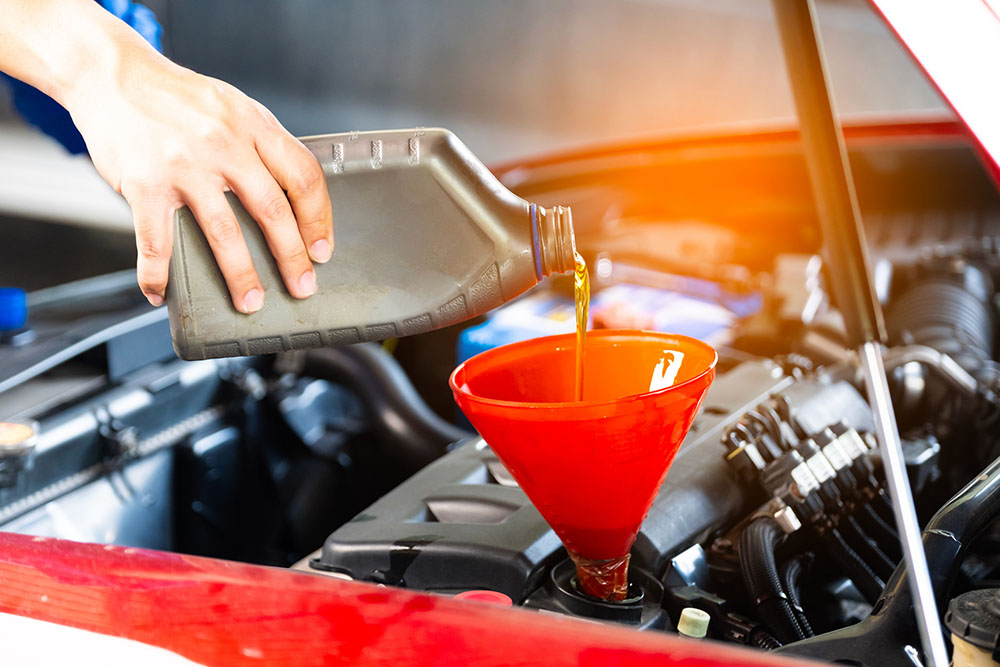
The Hidden Cost of Skipping Oil Changes: How a Small Delay Can Lead to Major Engine Damage
Delaying an oil change may seem harmless, especially when a vehicle is still running normally, but repeatedly postponing this basic service can lead to serious engine damage. Motor oil lubricates critical moving parts, helps manage heat, and carries contaminants away from internal components. As oil ages, it becomes less effective at doing those jobs.
Waiting too long between services can contribute to:
• Increased friction and accelerated engine wear
• Sludge and deposit buildup
• Reduced lubrication of critical components
• Higher operating temperatures
• Internal damage that may eventually require major repairs
The cost difference can be significant. An oil service may cost around $60 for some vehicles and service providers, while serious engine repairs or replacement can reach thousands of dollars. Actual costs vary, but the takeaway is clear: keeping up with routine service is far less costly than repairing damage caused by long-term neglect.
An Oil Change Does Much More Than Replace Dirty Oil
It is easy to think of an oil change as one of the simplest items on a maintenance checklist. In reality, fresh motor oil plays a major role in protecting the engine every time the vehicle is started.
At Certified Automotive Specialists, we help Glendora drivers understand why routine care matters before a manageable service turns into a much larger repair. Oil changes are among the everyday services our certified technicians perform for the vehicles we maintain.
Inside a running engine, numerous parts move at high speeds under substantial heat. Oil creates a protective layer between those surfaces, reducing friction and limiting wear. Using the correct oil is equally important because manufacturers specify the viscosity and type designed for each engine. As that protection begins to break down, internal components can experience greater stress even if the vehicle still seems to be running normally.
Old Oil Cannot Protect an Engine Forever
Motor oil is built to perform under demanding conditions, but it does not last indefinitely. Heat, combustion byproducts, moisture, and contaminants gradually reduce its effectiveness.
As oil ages, it can become dirty, lose some of its lubricating qualities, and contribute to deposits inside the engine. Sludge buildup is especially concerning because it can interfere with oil circulation and make it harder for critical components to receive the lubrication they need.
When protection decreases, friction and heat can rise. That additional stress can accelerate wear on internal parts over time.
The process is often gradual, which makes it easy to underestimate. Drivers may not hear a dramatic noise or see a warning light as soon as service becomes overdue. By the time obvious symptoms appear, unnecessary wear may already have occurred.
A Small Delay Can Turn Into a Major Repair
The hidden cost of postponing routine care becomes clear when we compare a predictable service expense with the price of internal engine work.
An oil change is something drivers can plan for. Engine repairs are much less predictable and can involve extensive labor, expensive components, or complete replacement depending on what fails.
A roughly $60 service versus a potential $5,000 engine repair is not a universal price comparison, but it illustrates how quickly the economics can change when basic upkeep is ignored. Costs depend on the vehicle, labor rates, parts, and the extent of the damage.
Prolonged lubrication problems can affect areas such as:
- Bearings and other moving surfaces
- Camshafts and valvetrain components
- Pistons and cylinder walls
- Oil passages restricted by deposits
- Other internal parts exposed to excessive heat or friction
Routine service cannot prevent every mechanical failure, but it can reduce avoidable wear caused by old, contaminated, or insufficient oil.
Follow the Maintenance Schedule for Your Vehicle
There is no single oil-change interval that applies to every car. Modern engines, synthetic oils, maintenance-monitoring systems, driving habits, and manufacturer specifications all affect when service is due.
That is why we recommend following the schedule in the owner’s manual rather than relying on an outdated one-size-fits-all mileage rule.
Operating conditions can also make a difference. Frequent short trips, heavy stop-and-go traffic, long periods of idling, towing, dusty environments, and other demanding conditions may affect service recommendations for some vehicles.
Important factors include:
- Manufacturer mileage and time intervals
- Oil-life or maintenance reminders
- Required oil viscosity and specification
- Typical driving conditions
- Any signs of leakage or unusual oil consumption
The goal is not to change oil more often than necessary. It is to service the engine at the proper interval using the correct products.
Do Not Wait for Obvious Engine Trouble
Warning signs should never become the maintenance schedule. By the time an engine begins knocking, running unusually hot, losing oil pressure, or showing other obvious symptoms, the situation may have moved well beyond routine service. Regular care works best because it helps reduce the chance of reaching that point in the first place.
An oil change also gives our technicians an opportunity to look for other developing concerns while the vehicle is in the shop. Leaks, abnormal fluid levels, deteriorating components, or other issues may be easier and less expensive to address when caught early.
At Certified Automotive Specialists, we look at routine service as more than completing a single maintenance item. We want our customers to understand the condition of their vehicles so they can make informed decisions and plan ahead whenever possible.
Protect Your Engine Before the Cost Adds Up
Putting off an oil change may save a little time or money in the moment, but repeated delays can expose an engine to unnecessary wear. Fresh, properly specified motor oil supports lubrication, controls friction, and helps internal components operate under demanding conditions.
Staying current with service is one of the simplest ways to support long-term reliability and reduce the risk of avoidable engine damage.
At Certified Automotive Specialists, we help Glendora drivers stay ahead of costly repairs with practical, proactive automotive care. If your next oil service is approaching or you are not sure when it was last completed, contact our team to schedule an appointment.

