
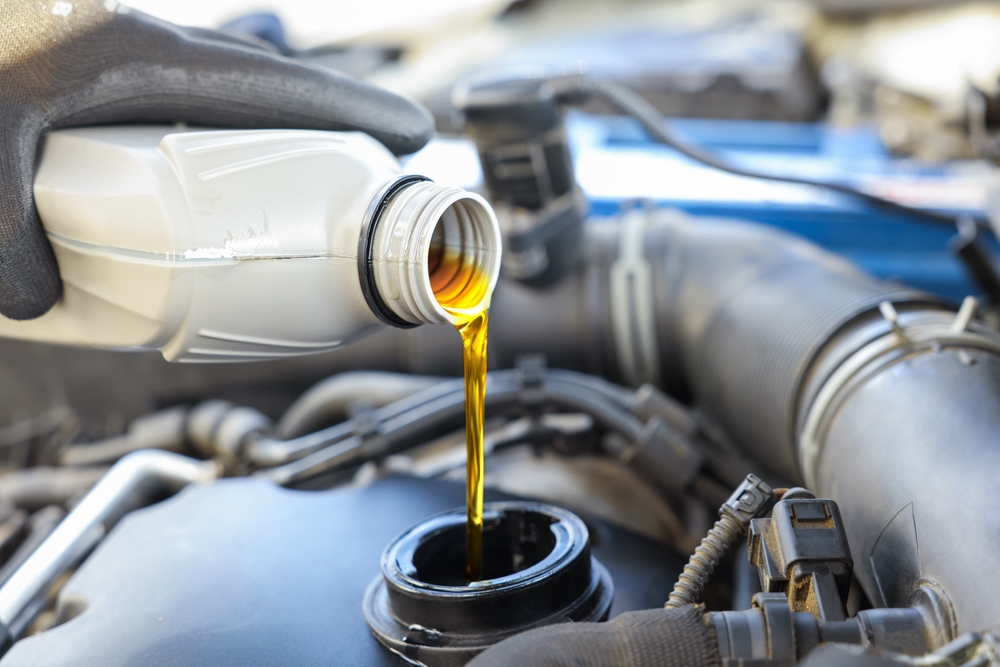
Why Should I Use a Full-Service Auto Shop for Oil Changes?
Choosing a full service auto shop for an oil change gives your vehicle more than fresh motor oil and a new filter. Because the technicians work with complete vehicle systems every day, an oil-change appointment can also provide an opportunity to identify developing maintenance or safety concerns before they become larger problems.
Depending on your vehicle and the services being performed, a full-service visit may include:
• Checking important fluids, tire condition, and visible wear
• Looking for concerns involving brakes, steering, suspension, belts, or hoses
• Using diagnostic equipment when a warning light or performance problem needs attention
• Following the manufacturer’s oil specifications and maintenance recommendations
• Building consistent service records that document your vehicle’s care
An oil change is routine maintenance, but it is also an opportunity to understand how the rest of the vehicle is doing. Working with a shop that can handle maintenance, diagnostics, and repairs provides continuity when something deserves a closer look.
At Certified Automotive Specialists, we see an oil change as an important part of maintaining safe, reliable transportation—not simply a task to check off a list. Our Glendora shop provides everything from routine oil changes and scheduled maintenance to diagnostics and more involved automotive repairs.
That broader perspective can make a difference. When the vehicle is already in the shop, trained technicians have an opportunity to notice changes that might otherwise go overlooked. Instead of viewing each maintenance visit in isolation, a full-service approach helps us consider how the vehicle is performing as a whole.
An Oil Change Can Be an Opportunity to Catch Problems Early
Oil changes occur regularly, which makes them a natural time to keep an eye on overall vehicle condition. A full-service automotive shop has the training and repair capabilities to recognize concerns beyond the engine oil itself.
While the exact inspection varies by shop, vehicle, and service package, technicians may look at areas such as:
- Brakes and visible brake components
- Tires, tread wear, and inflation
- Steering and suspension components
- Belts and hoses
- Fluid levels and signs of leakage
These checks can reveal wear before it becomes impossible to ignore. A cracked hose, uneven tire wear, fluid leak, or worn suspension component may not immediately change how the vehicle feels from the driver’s seat.
Finding those concerns early does not mean every item requires immediate repair. It gives vehicle owners information they can use to prioritize maintenance and plan ahead instead of being surprised by an avoidable breakdown.
A Full-Service Shop Has Diagnostic and Repair Capabilities in One Place
Sometimes an oil-change appointment raises a separate question. Perhaps the check engine light recently appeared, the vehicle has developed an unusual noise, or performance simply does not feel the same. This is where a full service auto shop offers an important advantage. The same facility that performs routine maintenance can also investigate a more complicated issue.
Modern diagnosis can involve scan tools, electrical testing, service information, and knowledge of how several vehicle systems interact. At Certified Automotive Specialists, we have the training and technology to provide maintenance, diagnosis, and repair across a wide range of vehicles.
That continuity means a concern discovered during maintenance does not necessarily require starting over somewhere else. We can determine whether something simply needs monitoring or deserves additional testing.
Proper Oil, Filters, and Service Records Matter
Not every vehicle requires the same motor oil. Manufacturers specify viscosity grades, performance standards, service intervals, and sometimes additional requirements based on the engine and operating conditions.
Using the correct oil and an appropriate-quality filter is therefore more important than simply replacing whatever oil was already in the engine. Following the manufacturer’s maintenance schedule also helps the vehicle receive service at appropriate intervals.
Good documentation matters, too. Vehicle owners can have routine maintenance completed outside a dealership while maintaining warranty coverage, provided applicable warranty requirements are met. Keeping records and receipts for oil changes, tire rotations, inspections, and other services can help document that required maintenance was performed.
Keeping maintenance with one trusted shop can make that history easier to follow. Over time, we can see what has already been completed, what has been monitored, and what may be coming due rather than treating each appointment as an unrelated visit.
How Does a Full-Service Shop Differ From a Quick-Lube Service?
Both full-service automotive shops and quick-lube businesses can perform oil changes, and convenience may be an important factor when choosing where to go. The biggest distinction is generally the range of vehicle care available beyond the oil change itself.
A quick-lube model is primarily designed to complete routine fluid and maintenance services efficiently. A full-service automotive facility combines those maintenance services with broader mechanical expertise and the ability to investigate concerns that may surface during the visit.
That can provide several advantages:
- Broader vehicle evaluation: Technicians can look beyond the oil change at components such as brakes, steering, suspension, tires, belts, and hoses.
- Diagnostic capability: Warning lights, unusual noises, or performance concerns can be evaluated with appropriate diagnostic equipment.
- Repair capability: If an inspection uncovers a mechanical problem, the shop has the resources to determine what is needed and complete many repairs in the same facility.
- Ongoing service history: Returning to the same shop creates continuity, allowing technicians to understand previous maintenance and monitor changes over time.
Neither approach changes the fundamental purpose of an oil change. The difference is the level of automotive care available around that service.
For drivers who want one shop to become familiar with their vehicle over time, the full-service model can create a more complete maintenance relationship. Instead of beginning with a blank slate at every appointment, we can consider current concerns alongside the vehicle’s previous service history.
Make Routine Maintenance Work Harder for Your Vehicle
An oil change may be one of the most familiar automotive services, but it can accomplish more than replacing worn motor oil. When routine maintenance is handled as part of complete vehicle care, each visit becomes another opportunity to monitor condition, document service, and address developing concerns at the right time.
Certified Automotive Specialists has served Glendora since 1978 and provides routine maintenance alongside comprehensive automotive repair and diagnostic services. If your vehicle is due for an oil change, schedule an appointment with our team and make your next maintenance visit part of a bigger plan for keeping your vehicle safe and reliable.
