Sell Or Keep Your Car?

Sell Or Keep Your Car?

Deciding when to replace your car can be a tough choice. It’s not just about mileage or age; other factors, like repair costs, safety features, and lifestyle changes, also play a role. Here are the main signs and considerations to help you decide when it’s time for a new vehicle.

1. Frequent and Costly Repairs

If your car is spending more time in the shop than on the road, it might be time for a replacement. A good rule of thumb is to consider a new car if annual repair costs exceed half the vehicle’s current value. Major expenses, like engine or transmission repairs, are strong indicators that it’s time to move on.

2. Safety Concerns

Older cars may lack modern safety features such as airbags, anti-lock brakes, electronic stability control, and advanced driver-assistance systems. If your vehicle’s safety features are outdated or it has recurring issues with crucial systems (like brakes or steering), upgrading to a newer, safer model is a wise choice.

3. Poor Fuel Efficiency

As cars age, fuel efficiency tends to decrease due to engine wear and outdated technology. If you’re spending more on gas than you would like, upgrading to a more fuel-efficient vehicle or even a hybrid or electric model can save money in the long run.

4. Lifestyle Changes

Life changes, such as a growing family, a longer commute, or a new job requiring more travel, might mean your current car no longer fits your needs. If space, comfort, or reliability are becoming an issue, it may be time for an upgrade.

5. High Mileage and Age

Although modern vehicles are built to last longer, high mileage (over 150,000 miles) typically leads to more maintenance issues. If your car is over 10-15 years old and repair frequency is increasing, it might be time to replace it.

6. Depreciation and Resale Value

Cars depreciate rapidly, especially in the first few years. If your vehicle’s value is dropping faster than you anticipated, selling or trading it in before it loses more value can be a smart financial move.

7. Emotional Attachment vs. Practicality

While sentimental value is understandable, it’s important to weigh emotional attachment against practical considerations like safety, reliability, and cost. If repairs are becoming a burden, it might be time to let go.

8. Environmental Considerations

Newer vehicles are generally more environmentally friendly, with better emissions standards and fuel efficiency. Switching to a hybrid or electric car can reduce your carbon footprint.

When Not to Replace Your Car

– If repair costs are minimal and infrequent.

– If safety features are up-to-date and the car is reliable.

– If you’re not ready for a new financial commitment, such as car payments or higher insurance costs.

Final Thoughts

Replacing your car is a significant decision that depends on your financial situation, safety needs, lifestyle, and personal preferences. Weighing the costs and benefits carefully will help you make the best choice for your needs.  We would be happy to discuss if it’s time to sell or keep.
Hydraulic Engine Mounts

Hydraulic Engine Mounts

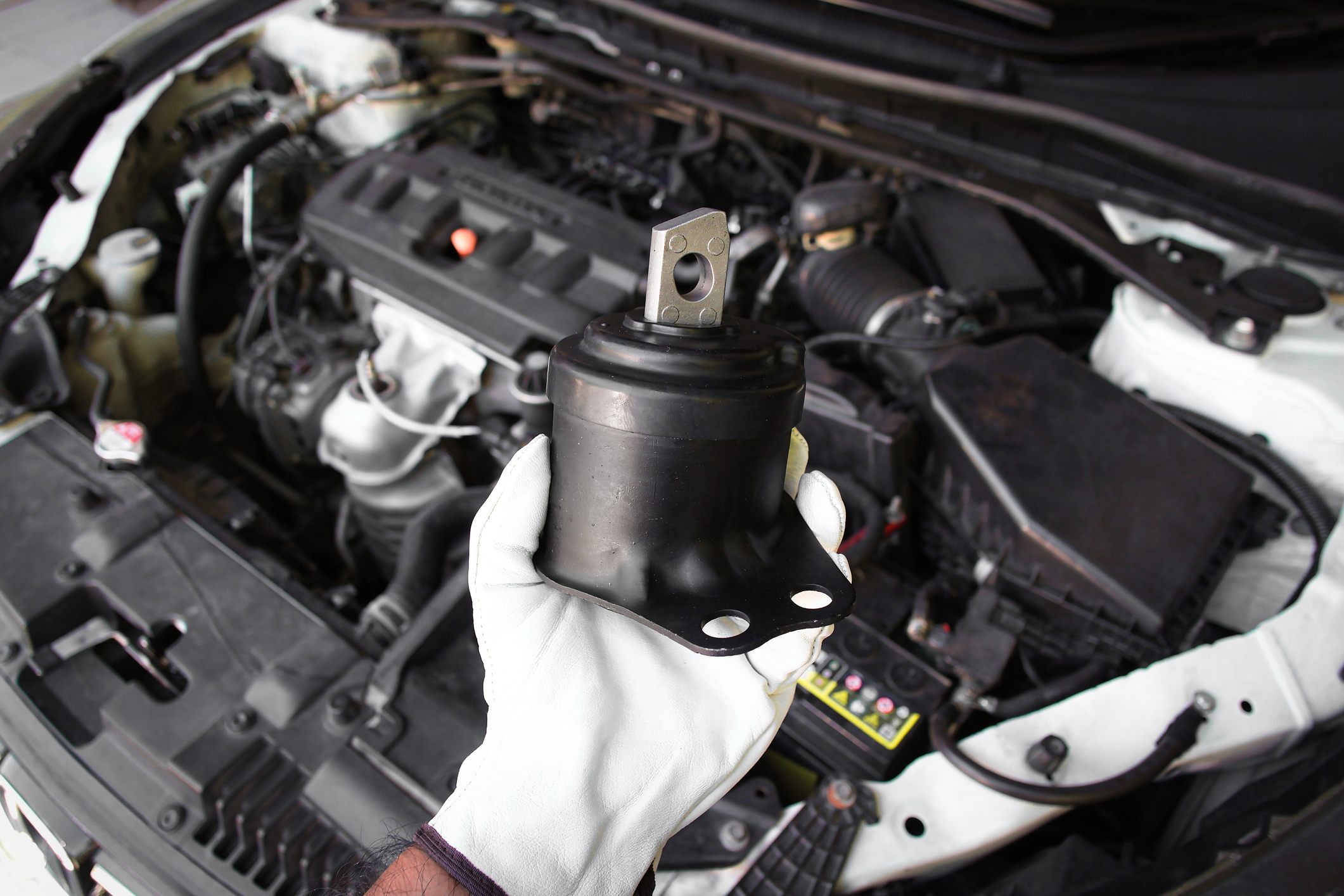
Don’t be surprised when you hear that your motor engine or transmission mount has an oil leak. Yep, the old rubber mounts have grown up to be liquid filled. They call it progress, and it is a better way to dampen vibration.

Hydraulic engine mounts are advanced components that use fluid-filled chambers to reduce vibrations and noise in vehicles. Unlike traditional rubber mounts, they use hydraulic fluid to absorb engine vibrations, providing better noise, vibration, and harshness (NVH) control, making your ride more comfortable.

How They Work:

The mount consists of a steel casing, rubber elements, and a hydraulic fluid chamber. As the engine moves, the fluid absorbs vibrations, while the rubber helps absorb shocks, offering a smoother performance.

Benefits:

  • Improved Comfort: Reduces engine vibrations and cabin noise, especially in luxury and high-performance vehicles.
  • Increased Durability: Lasts longer due to its resistance to stress.
  • Adjustable: Some hydraulic mounts can adapt to driving conditions for optimal ride quality.
  • Stability: Minimizes engine movement, improves handling and prevents damage to other parts.

Challenges:

They tend to be more expensive, heavier, and can suffer from fluid leaks or degradation over time.

Overall, hydraulic engine mounts are ideal for enhancing comfort and performance in a variety of vehicles, though they come at a higher cost compared to traditional mounts.

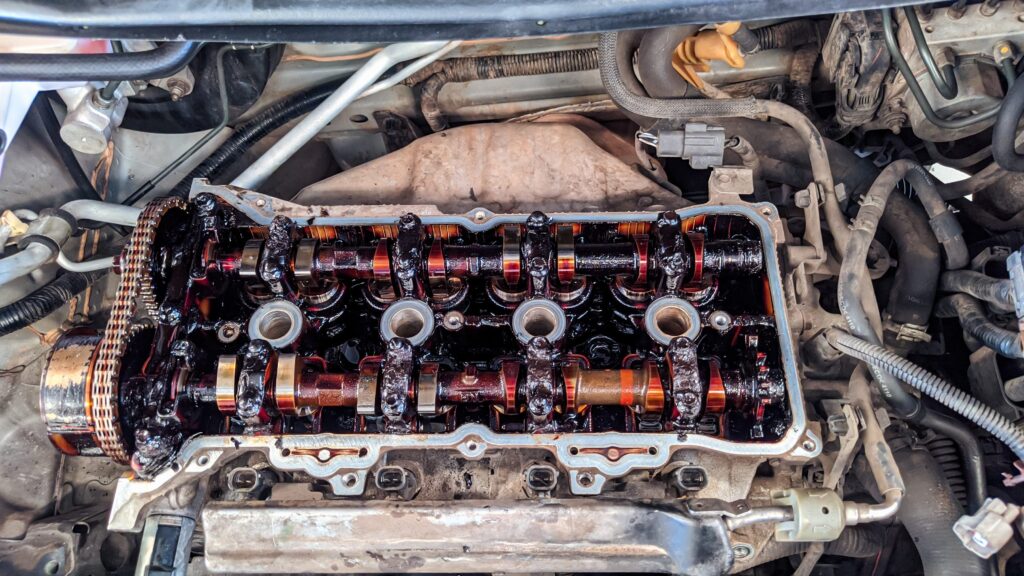
Engine Sludge Can Destroy Your Vehicle

Engine sludge is a byproduct of engine oil oxidation and can destroy your car’s engine. When the engine’s oil breaks down, a tar-like substance forms. It is caused by heat, contaminants and failure to change the oil at regular intervals. This sludgy mess causes friction, overheating and eventually, engine seizure.

Preventing engine sludge is far more manageable than curing it. Regular oil changes with high-quality oil, adhering to manufacturer-recommended maintenance schedules, and ensuring proper engine operation can significantly reduce the risk of sludge formation. It is a straightforward yet powerful approach to safeguarding the heart of your vehicle.

Premium Filters Go the Extra Mile

Cars that indicate when to change the oil use a software system. It can’t detect the condition of the oil.  It is a mathematical formula that guesstimates. The owner’s manual is generic or “one size fits all.” Manufacturers can’t produce a separate manual based on each driver’s situation or environment. How often you need to have your car serviced depends greatly on you.

  • Oil isn’t the problem. It is the dirt and debris that gets into it.
  • Today’s engines have smaller passages, so we need to keep the dirt and/or sludge out.

The Filter’s Role

Regular filters are smaller now than they used to be. If sludge develops it crushes the filter and stresses the engine. Imagine using the same coffee filter and grounds for one month.  You still get coffee, but the chemistry has changed.

The Oil’s Role

One important element in keeping our vehicles efficient is not to run them even a quart low on oil.  A 25% decrease in oil equals a 33% increase in contaminants.  With plenty of hot weather on the way it can seriously impair the cooling system.  If you use your vehicle to tow, it is extremely important not to run low on oil.

Synthetic oils, for example, are designed to resist high temperatures and oxidation, making them less prone to sludge formation. Regularly checking and changing your oil, according to your vehicle’s specific needs and the manufacturer’s guidelines, is crucial in this battle against sludge.

Early Detection

Early detection of engine sludge is vital. Automotive technicians can tell when sludge is forming. They can recommend a solution to rid your vehicle of the dreaded sludge. Sometimes, an engine flush might be necessary to remove sludge deposits, followed by a fresh oil change to restore the engine to its optimal state.

Keep in Mind

Understanding what causes engine sludge, its impacts, and prevention strategies, you can ensure that this unwelcome substance doesn’t stay in your vehicle’s engine. Regular maintenance is not just routine; it is protection against the destructive force of engine sludge.

Older Cars Must Be Maintained

Older Cars Must Be Maintained

With new cars being so expensive, people are keeping their current vehicles longer.  The average vehicle costs $47,218 when purchased new so it is completely understandable that people don’t want to pay the price. 

If a car is regularly maintained, they can certainly last longer. The average car age today is 13 years old. If you have decided to keep your car longer, it is very possible.  All it takes is some tender, loving care! Keeping your car longer can save more money than the purchase of the vehicle itself. With proper care virtually any car can be kept running as long as the owner wants to keep it. The longer you own a car, the less it costs you to own!  A vehicle depreciates early on. It starts losing value the minute you drive it off the new car dealer lot. It will lose 66% of its value in the first five years, assuming you drive an average of 12,000 miles per year.

How many miles you can drive your vehicle before fluids or parts need to be replaced depends on your driving habits.  Those who drive in stop and go traffic put a bigger strain on their vehicle so that is considered “severe” driving.  Your car will need to be serviced more frequently than those who zip along the highways with no need for frequent stops.

It pays to be consistent with your car’s service! Many think it is okay to delay or even skip an oil change all together.  Your engine may not blow up the minute you go over the recommended mileage, but it does accelerate the engine wear and can cause premature engine damage.  Driving your car on fumes instead of filling up before the warning signal comes on isn’t good for your vehicle either. Using the right fluids and the right parts are vitally important to keep your car from aging.  The wrong weight oil or the wrong transmission fluid won’t help your car stay young.

Preventive maintenance is the key to keeping your car running well.  Make sure you choose an automotive repair shop you can trust and that really knows what they are doing. Keep your car washed and waxed to help its appearance. The money you save over time will be substantial.

Distracted Driving

Distracted driving contributes to 3,000 deaths per year!  Sadly, being distracted while behind the wheel isn’t that unusual.  Here are just a few ways that cause peoples’ minds to wander when they are driving.

  • Daydreaming is easy to do, especially when your drive is a daily routine.  In your mind you are somewhere else, and not in a traffic pattern. 
  • Cell phones have caused hazardous driving since they were invented.  Drivers can’t seem to “let it go” when they hear their ringtone signaling a call or a text.
  • Be cautious if you are driving in areas with lots of pedestrians and cyclists.  Dogs or wildlife running in front of your vehicle is also scary and the cause of accidents.
  • Driving when you haven’t slept well is bad news.  Your mind drifts and your reactions can be slow.
  • Substance abuse is simply inexcusable as it hurts you and anyone you share the road with.
  • Driving with children can be distracting as they may drop something and become upset.  If this happens, pull over at the first available place and take care of it that way.  Do not try to retrieve an object that has dropped and drive at the same time.
  • You are in a hurry and go to a drive thru to pick up a meal.  You try to multi-task and eat as you drive.  This is not a good choice on many levels.  It is messy and you try to clean up as you go. You could choke on your food or poke your eye with a straw.  You are usually driving one-handed or sometimes with no hands while trying to consume your meal.
  • When you get in your vehicle, decide then if you want to drive with music.  Make sure your mirrors are correctly adjusted to your needs as well as your seats.  Be prepared before you join traffic.

We hope this helps make you more aware so you can prevent distracted driving.  We want to keep our customers, neighbors, and all drivers safe!

What Does The Term ADAS Stand For?

ADAS, which stands for Advanced Driver Assistance Systems, is a term used to describe a range of technologies designed to enhance vehicle safety and improve the driving experience. These systems use various sensors, cameras, and other technologies to monitor the vehicle’s surroundings and assist the driver in various driving tasks. Here’s how ADAS typically works in a car:

  • Sensors and Cameras: ADAS systems rely on sensors such as radar, lidar, ultrasonic sensors, and cameras to gather data about the vehicle’s surroundings. These sensors are often located around the vehicle, including on the front, rear, and sides.
  • Data Processing: The data collected by the sensors and cameras are processed by onboard computers or control units. These computers analyze the data in real-time to detect objects, vehicles, pedestrians, lane markings, and other relevant information.
  • Decision Making: Based on the processed data, the ADAS system makes decisions about how to assist the driver or intervene in certain situations. For example, if the system detects a potential collision with another vehicle, it may provide a warning to the driver or activate automatic emergency braking to help mitigate the impact.
  • Driver Assistance Features: ADAS systems offer various driver assistance features designed to enhance safety and convenience. Some common ADAS features include:
  • Adaptive Cruise Control (ACC): Automatically adjusts the vehicle’s speed to maintain a safe following distance from the vehicle ahead.
  • Lane Departure Warning (LDW) and Lane Keeping Assist (LKA): Alerts the driver if the vehicle drifts out of its lane and may also provide steering assistance to keep the vehicle in the lane.
  • Blind Spot Monitoring (BSM): Alerts the driver to vehicles in the blind spots and may provide visual or audible warnings to prevent collisions during lane changes.
  • Forward Collision Warning (FCW) and Automatic Emergency Braking (AEB): Warns the driver of an imminent collision with a vehicle or obstacle ahead and may apply the brakes automatically to avoid or reduce the severity of a collision.
  • Integration and Feedback: ADAS systems are integrated with the vehicle’s other control systems, such as the braking and steering systems, to provide seamless operation. Additionally, many ADAS features provide feedback to the driver through visual, audible, or haptic alerts to enhance situational awareness and promote safer driving behavior.

Overall, ADAS technologies play a crucial role in improving vehicle safety by assisting drivers in avoiding collisions, maintaining control of the vehicle, and reducing the likelihood of accidents. As technology continues to advance, ADAS systems are becoming increasingly sophisticated and are paving the way for the development of autonomous vehicles.

Don’t let just anyone work on your ADAS system. Always ask if they are familiar with your make and model. Make sure they are ASE certified and have the latest equipment to solve your concern. Many ADAS calibration systems cost $30,000 or more. It is your responsibility to be aware and take care of your second largest investment…your car.

Maintaining Your Vehicle Is Essential

Maintaining Your Vehicle Is Essential

Maintaining your car is essential for several reasons, including safety, reliability, performance, and financial considerations. Here are some key reasons why maintaining your car is important:

  1. Safety: Regular maintenance helps ensure that your vehicle operates safely on the road. Components such as brakes, tires, steering, and suspension need to be in good condition to provide optimal control and handling. Neglecting maintenance can lead to mechanical failures or compromised safety systems, increasing the risk of accidents.
  2. Reliability: Proper maintenance reduces the likelihood of unexpected breakdowns and mechanical failures. Addressing potential issues early through routine inspections and services can prevent more significant problems that could leave you stranded on the side of the road.
  3. Performance: Well-maintained vehicles typically perform better and more efficiently. Components such as the engine, transmission, and fuel system operate more smoothly when they are properly maintained, resulting in better fuel economy, acceleration, and overall performance.
  4. Longevity: Regular maintenance helps prolong the lifespan of your vehicle. By replacing worn-out parts, changing fluids, and addressing minor issues promptly, you can prevent more extensive damage and extend the life of your car.
  5. Resale Value: A well-maintained car retains its resale value better than one that has been neglected. Potential buyers are more likely to pay a higher price for a vehicle that has a documented history of regular maintenance and service records.
  6. Cost Savings: While it may seem counterintuitive, maintaining your car can save you money in the long run. Preventative maintenance is generally less expensive than repairing major mechanical problems caused by neglect. Additionally, a well-maintained vehicle tends to be more fuel-efficient, reducing fuel costs over time.
  7. Environmental Impact: Properly maintained vehicles tend to produce fewer emissions and consume less fuel, reducing their environmental impact. Regular maintenance helps ensure that your car operates efficiently and complies with emissions standards.

Overall, maintaining your car is crucial for safety, reliability, performance, and financial reasons. By investing time and resources in routine maintenance, you can keep your vehicle running smoothly, prolong its lifespan, and minimize the risk of unexpected breakdowns or costly repairs.

Let’s face it, a car is a poor investment because as soon as you drive off the lot the value decreases. We need transportation, however. In the past we were told to trade in a car every 100,000 miles. Cars today are built better and last longer. We can now drive a car at least 200,000 miles with proper service.

Remember 60 years old is the new 40 and 200,000 miles is the new 100,000 miles, and with the average payment of $735.00 a month, get the car paid off and drive.

“Always Glad to Help”
Hometown Service You Can Count On!   

Why Auto Repair Shops Charge a Testing/Diagnostic Fee

Why Auto Repair Shops Charge a Testing/Diagnostic Fee

Automotive diagnostic charges typically cover the cost of the technician’s time and expertise in diagnosing issues with your vehicle. These charges reflect the resources, equipment, and training required to accurately identify problems and determine the appropriate repairs or maintenance needed.

Here are a few reasons why you might be charged for automotive diagnostics:

Labor and Expertise: Skilled technicians spend time inspecting your vehicle, using specialized tools and equipment to diagnose issues accurately.

Equipment Costs: Diagnostic tools and equipment used to scan vehicle systems and retrieve error codes incur costs for purchase, maintenance, and updates.

Training and Certification: Technicians undergo extensive training and certification to effectively diagnose complex vehicle systems, which contributes to the overall cost of diagnostics.

Investigation and Testing: Diagnosing automotive issues often requires thorough investigation and testing, which may involve multiple steps to pinpoint the root cause of problems.

Facility Overheads: Automotive repair facilities have overhead costs such as rent, utilities, insurance, and administrative expenses, which are factored into diagnostic charges.

Accuracy and Precision: Proper diagnostics help prevent unnecessary repairs by identifying the specific issues affecting your vehicle, ultimately saving you time and money in the long run.

Keep in mind that diagnostic charges may vary depending on the complexity of the issue, the type of vehicle, and local market rates. It’s important to discuss diagnostic fees with your automotive service provider beforehand to ensure transparency and understanding of the costs involved.