Gene’s Car Tips

5 Things to Know About Oil Changes for Your Car

Understand when and how often to change it, what type your car needs, and more.

1. When to Change the Oil

The answer to a lot of these questions is the same: Check your owner’s manual. It should be your car maintenance and operation bible. Don’t make assumptions on the interval based on past experiences or guidance from mechanics who profit from the work, because the timing has evolved over the years.

Many cars, pickups, and SUVs now have service reminder monitors that alert drivers when to change their oil. “These systems typically monitor the number of miles a vehicle has traveled, and they also sense how hard the car is being driven, and adjust accordingly,” Ibbotson says.

Make sure you get your oil change soon after you receive such an alert.

2. How Often to Check the Oil Level

You should keep an eye on your car’s oil levels. Our reliability survey results have shown that even newer cars can need the oil to be topped off between changes.

CR recommends checking your oil level at least once a month. Be sure to get repairs done at the first sign of a leak. 

Check the owner’s manual and follow the automaker’s recommendations. Some newer cars have electronic oil monitors and don’t have traditional dipsticks for manual inspection.

If you do have a dipstick, and you’re checking it yourself, make sure the car is parked on level ground. If the engine has been running, be aware of potential hot spots under the hood.

With the engine off, open the car’s hood and find the dipstick. Pull the dipstick out from the engine and wipe any oil off from its end. Then insert the dipstick back into its tube and push it all the way back in.

Pull it back out, and this time quickly look at both sides of the dipstick to see where the oil is on the end. Every dipstick has some way of indicating the proper oil level, whether it be two pinholes, the letters L and H (low and high), the words MIN and MAX, or simply an area of crosshatching. If the top of the oil “streak” is between the two marks or within the crosshatched area, the level is fine.

But if the oil is below the minimum mark, you need to add oil.

Pay close attention to the oil’s color. It should appear brown or black. But if it has a light, milky appearance, this could mean coolant is leaking into the engine. Look closely for any metal particles, too, because this could mean there is internal engine damage. If you see either of these conditions, get the car to a mechanic for further diagnosis.

If everything is okay, wipe off the dipstick again and insert it back into its tube, making sure it’s fully seated. Close the hood and you’re done.

How often do you check your oil?

Proper oil levels keep your engine functioning well. Tell us about your oil maintenance habits, and join the CR Auto Experts to learn how to tend to the lifeblood of your engine.

3. How Often to Change the Oil
Oil Changes For Your Car

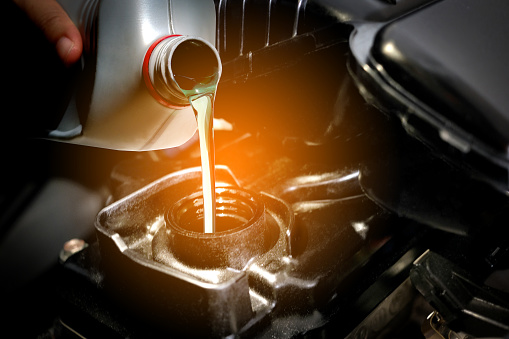
Some swear by the “every 3,000 miles or every 3 months” rule, but advances in engines and oil have made that guidance obsolete. Many automakers have oil-change intervals at 7,500 or even 10,000 miles and 6 or 12 months for time.

“Your owner’s manual has more detailed information about your car than any mechanic does,” Ibbotson says. “Don’t get talked into too-often oil changes. Follow the manual and your car’s engine should stay well-lubricated and perform well.”

Over the course of two years and 30,000 miles, assuming that your oil change costs $40 a pop, you could save $240 if you get it changed every 7,500 miles vs. every 3,000 miles.

It’s not just about miles: If you don’t drive your car a lot, your oil still needs to be kept fresh. Even if you drive fewer miles each year than your automaker suggests changing the oil (say, 6,000 miles, with suggested oil-change intervals at 7,500 miles), you should still be getting that oil changed twice a year.

Why? Oil becomes less effective as it ages, and by not getting the engine warm enough, excess moisture that forms in the engine will not be removed, which can lead to shorter engine life.

4. Choosing the Right Oil for Your Car
5 Things To Know About

Again, take a look at your owner’s manual. “Don’t be upsold into synthetic oil if there is no need,” Ibbotson says.

In many newer models, the weight of your car’s motor oil is printed on the cap where you add oil. “Make sure you know what’s recommended or required by your automaker before you visit your mechanic so that you can control the cost of the oil they’re putting in,” he says.

If you have a much older car, do you need special motor oil?

“Not if it’s running well,” Ibbotson says. “If you’re not sure what oil you should be using because you don’t have an owner’s manual, check with your local dealer or an online enthusiast group for your particular model,” he says.

5. Do You Need Synthetic Oil?

“Only if your manufacturer calls for it,” Ibbotson says, “because it can cost from two to four times as much as conventional oil.”

Synthetic oil is designed to be more effective at resisting breakdown (and because of that, it lasts longer) and withstanding high temperatures.

There are situations where that resistance to breakdown can help prolong the life of your engine.

“If you make lots of short trips, standard motor oil may never get warm enough to burn off moisture and impurities, which means it may not be doing enough to protect your engine,” Ibbotson says.

Another consideration is your lifestyle. “If you live in a region with very cold winters or very hot summers, or if you use your vehicle for towing or hauling heavy material, synthetic oil is your best bet,” he says. “While synthetic generally holds up better and can serve for more miles, it is equally important to not extend oil changes beyond the time interval recommended by the manufacturer—typically six months or a year if it is a motor that is not driven many miles or on many short trips.”

Synthetic oil can also help engines that are prone to building up sludge; some Volkswagen and Toyota models have had sludge issues in the past. This residue, formed when oil breaks down, can block the flow of oil, leading to the quick death of an engine. Synthetic oil would be beneficial in these engines because it helps to reduce sludge buildup, helping to extend the engine’s lifespan.


The Forgotten Fluid

Did you know that 60% of your body is made of water? That two-thirds of the earth’s surface is covered by water? Though it’s more solid than liquid, your automobile’s fluid is the lifeblood of your vehicle. It is critical to the long life and good performance of your car or truck.

The Forgotten Fluid | Brake Fluid

Most drivers know about checking their engine oil and coolant levels. They realize these need regular service. Fewer drivers take the time to check and keep up with the maintenance of their transmission and drive train fluids.

But even fewer people check or service their brake fluid. Not until there is a problem. Brake fluid is the most forgotten fluid in your vehicle. Here are some reasons to have it checked out before there is an issue:

  • Brake fluid is hygroscopic. This means it actively attracts moisture from the air, especially in humid climates. In time, more moist fluid pools in low spots of your brake system instead of staying dispersed, causing corrosion.
  • Small particles contaminate your fluid, reducing braking performance. When it comes to braking, every inch of stopping distance is critical!
  • Your anti-lock braking system (ABS) and traction control components produce heat that breaks down your fluid. Aside from lengthening braking distances, this can harm your ABS system.

We Only Use The Best

We always use the type of fluid that the vehicle manufacturer recommends for your car. We have the equipment to test your brake fluid to accurately determine the moisture content and recommend when your brake hydraulic system needs to be cleaned, exchanged and new fluid installed. We are proud to provide you with the information you need to make informed choices about your vehicle. Your peace of mind depends upon our education. Our mission is to provide safe and reliable transportation by inspecting your vehicle and reducing the risk of break down repairs. This saves you time and money down the road!

Just like it’s a fact that your body is mostly water, your brake fluid gets tired and worn out. It periodically needs a break if you want to brake! Bring your car in and we can let you know how your brake fluid, and the rest of your car, is doing!

Can We Talk?

Did you know that auto repair experts and doctors face a very similar issue—online self-diagnosis? A Harvard study suggested that even though online medical diagnosis is improving, it is much better at telling you how quickly you need to get to a doctor than coming up with a reliable diagnosis and treatment. The same is true of googling your vehicle’s symptoms. Though there are some issues you can take care of yourself, DIY-ing your car may lead to more costly repairs down the road and worse, an unsafe vehicle.

Auto Repair Diagnostics

Don’t get me wrong. The internet is an amazing resource. When you want to find a gluten-free, vegan carrot cake for that one friend — everyone has that one friend! — it works great. You can learn, for example, a new language, how to play a musical instrument, and how to manage your money from wherever you are in the world. As we are seeing though, there are consequences to an onslaught of 24/7 access to unreliably sourced material. You always need to ask: Who wrote this information? Are they looking out for me, or looking to use me?

We Have a Team of Highly Skilled Experts

Aside from knowing if you can trust the site you are relying on, today’s cars are extremely complicated. There are at least 30,000 parts in the average new car—and over 5000 of them move! The first Apollo Moon Lander had about 10% of the computing power found on the modern car. Working to repair vehicles with this sort of sophistication requires years of experience and knowledge. We have earned the ASE Blue Seal of Excellence because our professionals are ASE-certified, proving we are staying current with the lightning-fast pace of car engineering. It’s the same reason doctors go to medical school—you have to put in hours and hours of training so that your clients can rely on your help.

Of course, you should be proactive about the health of your body and car, we are not recommending that you don’t do your own research. But, once you find an expert you can trust, you should lean on all of their knowledge and experience. Always remember that we have your best interest at heart!

Shake, Rattle, and Roll

Shake, Rattle, and Roll | Certified Automotive

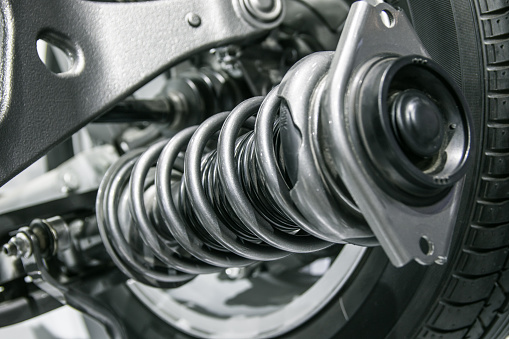
Shake, Rattle, and Roll could be the description of an earthquake. It was also a song recorded by Elvis, the man some call the King of Rock and Roll. But if you want to be king (or queen) of the road, having worn out shocks and struts will shake you right off your throne—no earthquake needed! When your suspension system is operating efficiently, it takes a beating, so you don’t have to. 

On the other hand, when it’s not working well, your ride is anything but smooth. Are you experiencing the following as you drive?

  • Bounce — The compression of the spring and damper of the shock absorber keeps your wheels on the asphalt. When compromised, you will feel the car jump when it hits a bump.

  • Sway and Roll — When you take a turn, does the body of your car tilt? Sways and rolls happen when worn out suspension system parts allow gravity to compress the outside of the car and lift the inside during a turn. Your car should feel solid while turning.

  • Diving and Squatting — Coming to a stop, does the nose of your car dive down? Squatting occurs when the rear of the car dips during hard acceleration. Each might mean that your suspension system is not operating efficiently.

  • Rattling — hearing loud noises such as clunking and rattling could mean a number of things, the main one being that it’s time to bring your car into a trusted professional!

Any one of these indications means it might be time to replace your shocks or struts. Your suspension system eases the pain of driving through road construction zones and stabilizes you as you run into bumps in the road. We take the system for granted as we brake, hit the gas pedal or navigate turns. But the above indications are like having a toothache. Treat it early and you have minimal pain, damage, and cost. If you wait, it begins to affect other parts of your car, such as your tires.  

So, what should you do? In an earthquake, try to find something solid to crawl under. While you’re down there, take some time to listen to the original Joe Turner version of Shake, Rattle, and Roll — considered to be 126th of the 500 Greatest Songs of All Time by Rolling Stone magazine. And when that pothole feels like it will rattle the fillings out of your teeth, call the professional at Certified Automotive Specialists a call at 253-854-6762 or schedule your appointment online today!

Is Your Engine Gasping for Air?

Your car is chock-full of expensive, complicated devices. It also carries very valuable cargo—like you, your family, and friends. Filters may not seem like the most critical technology in your vehicle, but filters protect all that costly equipment from harmful debris. It also ensures you get that precious payload where it needs to go.

Think about the furnace in your house for a minute. If you don’t change or clean it every so often, it gets clogged. Ignoring it, your heater stops working efficiently over time. This costs you in fuel and potential future repair bills. The air filter in your car or truck works the same way. It stops damaging dirt and dust from harming the motor.

Your engine demands a precise ratio of air and fuel to run at peak efficiency. The longer you wait to change your air filter, the more fuel mileage and acceleration decreases. Waiting to change your air filter can also increase emissions. When the system has operated with a prolonged poor air-fuel mixture, you may even get a “Check Engine” or “Service Engine Soon” light. This is avoidable. In addition, in the long run, you’ll be protecting your investment by changing out the filter. Something as small as a grain of salt can disrupt and damage cylinders and pistons.      

Air filters should be changed every 12,000 to 15,000 miles. But when you decide to change your air filter depends on how and where you drive. Do you live in a rural or desert location that has lots of dirt and dust in the air? Do you drive through construction zones every day? Then you’ll need to have your filter replaced more often than other drivers. Fortunately, the air filter is just one of the components we check when you bring in your vehicle for regular maintenance. Keeping up with maintenance improves vehicle performance and reliability—crucial for safely transporting your priceless loved ones to work, school, errands and safely back home!

Ready, Aim, Misfire!

Have you ever spilled a drink at a gathering? Or worse, knocked over someone else’s? Maybe red wine on a white carpet? A party foul is sure to muck up a good time. Fouled spark plugs do the same thing.

Spark plugs are the life of your engine’s party. They get a high voltage electric current from the ignition coil(s), igniting the air-fuel mixture in the combustion chamber. When you are driving, this occurs thousands of times each minute and is what propels you down the road. They not only get the party started; they keep it rockin’!

Occasionally, spark plugs misfire when the spark is too weak to ignite fuel. This causes a temporary loss of power, wasted fuel, and pollution. Misfiring spark plugs can make your vehicle hard to start. It may also start running rough. You may have trouble firing your car up when it is cold. Fuel mileage and acceleration will go down and hydrocarbon emissions will increase. Too many misfires will result in your vehicle failing an emissions test, making it challenging to register or sell. It might even cause enough raw fuel to be dumped into the exhaust to overheat and damage the catalytic converter. Or worse, heat up the temperature enough to melt down the converter substrate which could block up the exhaust system.

What Makes A Spark Plug Go Bad?

A spark plug is fouled when it has become contaminated with fuel or oil. This prevents it from generating a spark. Once the plugs get hot enough, they can burn the contaminates off. This works well if you generally make longer trips. Unfortunately, when you make short, frequent trips, the plugs don’t get hot enough. You’ll have to get them replaced more often.

Properly replacing spark plugs means getting the correct “heat range.” A cold plug has a shorter insulator nose length and is better for high rpm engines. On the other hand, lower rpm engines benefit from a hot plug that cleans the plug when it operates at a slower pace. Each spark plug brand is unique and heat ranges are not universal. This is just one of the reasons why it is helpful to bring your car to a trusted automotive repair professional. We will make sure your spark plugs are at the center of the party. And for all the right reasons!  

Addressing Your Car’s Slow Drip, Drip, Drip

The slow drip of anything can be annoying—faucets, news, sinuses. But the slow, persistent drip, drip, drip under your car is more than just aggravating.  It can make a sticky, splotchy mess in your driveway and garage floor. You can end up making every place you park less attractive than when you showed up. Who wants to be someone who makes everywhere worse?

If you have been running your AC and the leaky liquid is clear and odorless, it may well be condensation from your air conditioner. No worries, then! Unfortunately, all other drips signal trouble. In fact, small drips are your vehicle’s way of asking: Hey, Bub, could you check under the hood? If you ignore this warning, your car will soon stop being so polite.

Don’t Let Minors Become Majors

Left unchecked, those slow drips will only increase. It was bad enough when you left an unsightly, environmentally unfriendly reminder of your presence every time you parked. Once small splotches become big puddles your friends and family will be asking you to park down the block!

And it isn’t just about leaving your mark in parking spaces and driveways. Your minor vehicle issue can quickly become a major problem. You’ve probably heard the advice: Don’t major on the minors.” This is good life advice for those who focus too narrowly on the negative. With a vehicle, though, taking care of the minor can stop it from being major. We advise you to go ahead and major on the minor with your vehicle since minor repairs come with minor price tags while major problems will cost you major dollars!

Seeing Red? It’s Most Likely Transmission Fluid

If the liquid is red it’s probably transmission fluid. Green or orange liquid that smells sweet most often means coolant is the culprit. Brown or black fluid indicates an engine oil leak. Also, liquid isn’t the only sign of a leak. Blue smoke from the tailpipe can also mean oil is leaking into the engine. No matter what color you see, remember that a leaking hose or seal is small potatoes compared to a catastrophic engine failure.

For minor and major vehicle maintenance and repair, call us at (253) 854-6762 or schedule your appointment online. We can’t do much about the slow drip, drip, drip of the news cycle or a runny nose, but we can certainly stop minor vehicle drips before they become major!

Want Your Vehicle to Be More Powerful and Efficient?

Who doesn’t want to be more powerful and effective? Despite New Year’s Eve resolutions or buying the latest self-help bestseller, personal growth can be hard to achieve. It’s not easy to be your own best friend. Fortunately, it is a little easier to be chummy with your vehicle and make it run stronger, quieter and more efficiently.

Fuel injection cleaning is not listed in your owner’s manual as part of routine maintenance. Still, your fuel system can become clogged with dirt and debris. This can jam up your fuel pump, fuel filter, and fuel injectors. These crucial parts of your fuel system need to be clear of all that yuck to allow the right mixture of fuel and air to reach the engine.

Friends with Benefits

When you treat your car right, it treats you right! By being friends with your car you get benefits which include better fuel efficiency, more horsepower, and no more engine knocking. When you think about it, it makes sense. Your car doesn’t burn dirty fuel as well as clean fuel—a drop in gas mileage may mean you need your fuel injectors cleaned. Does your car seem to lack the get-up-and-go it once had? Is it noisier? These are other signs that your BFF is asking you to clean up its fuel system!

The reason fuel injection cleaning isn’t listed in your owner’s manual is that if you are servicing your vehicle regularly, your injectors and fuel system will remain clean. Over the years, we have noticed that folks are increasingly skipping regular maintenance. This neglect causes the harmful build-up of grime and sludge. These are not your friends!

What Are Friends For?

Fuel injection cleaning will give your vehicle a longer life span, lower repair costs, and fewer headaches! You can worry less about being stuck on the side of the road or with a car that won’t start in the morning. Call us today at (253) 854-6762 or set up your appointment online. We will ensure that your car is running right and you won’t need to empty your wallet to for unneeded parts, repairs, or services. What are friends for?

Smooth Ride? Thank Your Suspension System!

Sure, the road of life can be bumpy. SoCal roads can be even bumpier! But you don’t need to get jolted at every pothole and gap in the asphalt. At least, not if your suspension system is operating right.

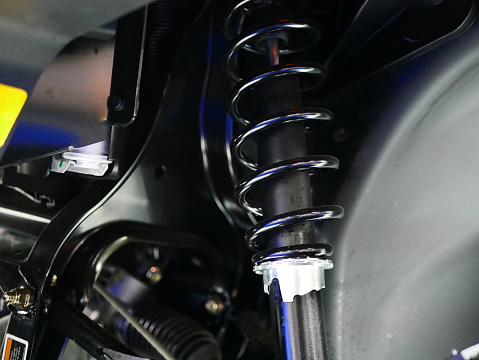
A suspension system is something you don’t notice until it stops working properly. What are some of the obvious signs your suspension system is not doing its job? Feeling every shake and bounce is, of course, the plainest signal and means you might be having trouble with shock absorbers or struts. Another symptom is your car pulling to one side of the road, though this could also be caused by your tires or brakes. Other signs include one corner of your car looking lower than the rest of the vehicle or hearing “clunking” as you drive over even small bumps. There are many more including leaking shock absorbers, difficulty when steering, or swaying while turning or stopping.

What Is Your Car’s Suspension?

Your suspension system is a spring-like structure. It is attached by the sides of the wheels and enables the frame to hold the weight of the body. It maximizes the friction between the tires and the road surface. This provides steering stability, good handling, and comfort.

Most cars are more than one ton of metal and they hurtle down the road at high speed. Even if the road surface looks smooth, without its suspension system, you and your car would be shaken to pieces. The suspension system allows the body and frame to move independent and undisturbed. It allows the wheels to take the bumps and lumps, not you. Your springs do the bulk of the work absorbing the thud and smash of driving down the street—your shock absorbers dampen all that springing so you are not riding a bucking bronco!

When your life gets bumpy, at least the driving around part, give Certified Automotive Specialists a call at 253-854-6762 or schedule your appointment online today!